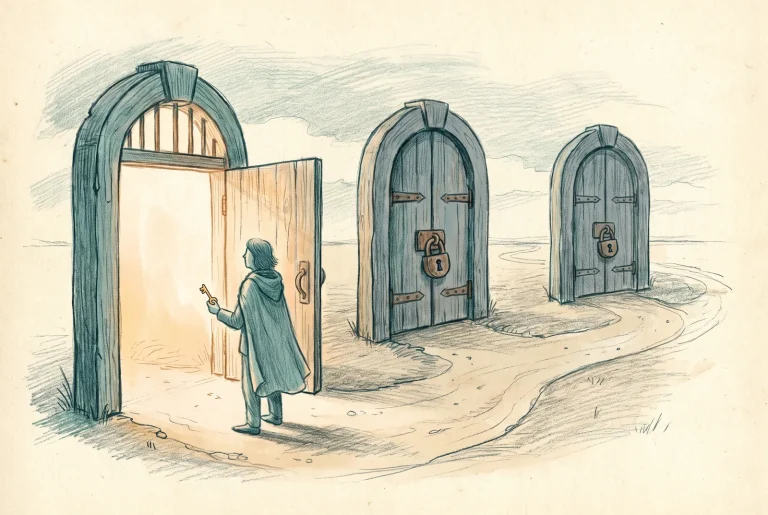
[3.1] Automatic Enrollment: Letting Devices In on Purpose

Most Intune environments do not fail because of a bad policy. They fail because devices arrive without intention.

Most Intune environments do not fail because of a bad policy. They fail because devices arrive without intention.

Security baselines promise order. They suggest that someone has already done the hard thinking, weighed the risks, and produced a sensible starting point you can apply with confidence.

Most organizations don’t approach Intune from a clean, cloud-native starting point. They arrive with years of Active Directory decisions, deeply embedded Group Policy objects, and devices that were never designed to operate independently of the corporate network. Hybrid Entra ID Join exists because of this reality, not because it represents an ideal endpoint state.

Every Intune environment eventually reaches a moment where something goes wrong-not because of a bad policy, but because too many people could change too many things.

Most Intune environments do not fail because of bad settings. They fail because nobody knows what applies to what, why it exists, or what will happen if it changes.

If there is one place where Intune deployments quietly succeed or quietly collapse, it is application delivery. Not identity. Not Conditional Access. Not even Autopilot itself. Apps.

Most Intune deployments do not fail at enrollment. They fail much earlier - quietly, invisibly, and often without immediate symptoms.

A significant number of enterprise environments are going to live in co-management for years. Not because it’s the goal, but because it’s the practical reality of migrating a large Windows fleet from Configuration Manager to Intune without a full device…