Virtualization is where the control question lives in its purest form: whoever holds the control plane of your estate holds the estate. This section covers the platforms competing for that position, one series per platform, each written to the same arc: what it is and where it came from, whether it can replace what you run today, how it operates, and how to build it properly.
A note on naming before the first series, because the vendor does not make it easy. HPE’s product is VME (HPE Morpheus VM Essentials); the hypervisor inside it is called HVM. The series is named for the product you license, and its first article takes the names apart properly.
VME
HPE’s KVM-based platform: the HVM hypervisor under the Morpheus control plane, priced per socket, aimed squarely at the vSphere renewal conversation. The series runs from lineage to build sheets; the first wave is below and the build waves follow.
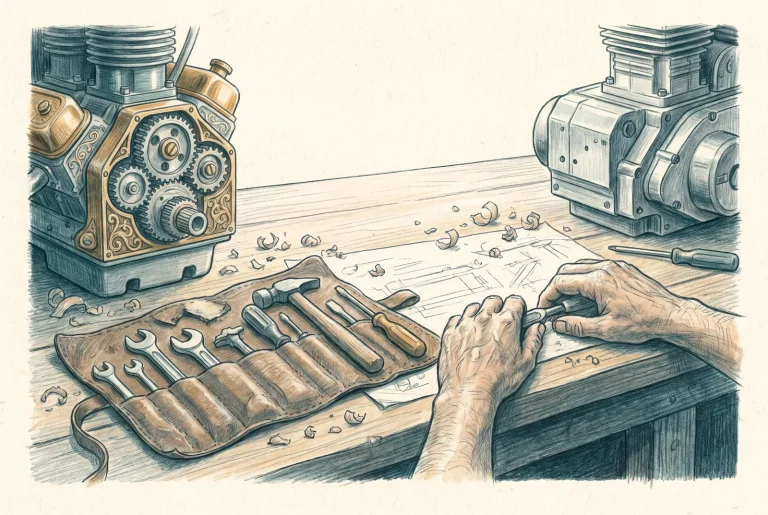
HPE VME: A Second Hypervisor Without a Second Career
HPE VME is a management product that grew a hypervisor, not a hypervisor that grew a management product. That ordering explains most of what the platform is, what it costs, and why the real question it poses is not about KVM at all. It is about who holds the control plane.
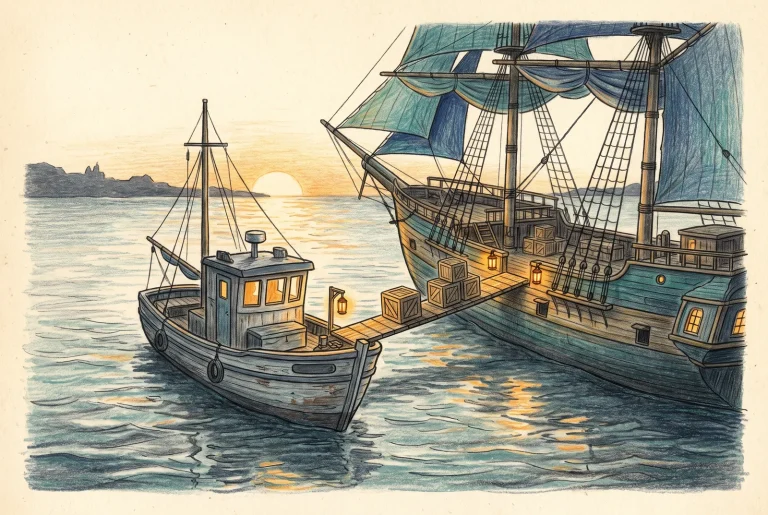
The VMware Question: Coexist, Replace, or Wait
Every conversation about VME is really a conversation about VMware, so this article has that conversation properly: what coexistence actually manages, what replacement actually involves, which gaps are real, what the money looks like with every figure labeled, and who should do nothing at all for another year.
Speaking VMware: The Translation Layer
Your team thinks in vSphere nouns and VME speaks something adjacent, so here is the translation layer: ten equivalences that let an experienced vSphere administrator orient in an afternoon, and the honest account of what each one hides.
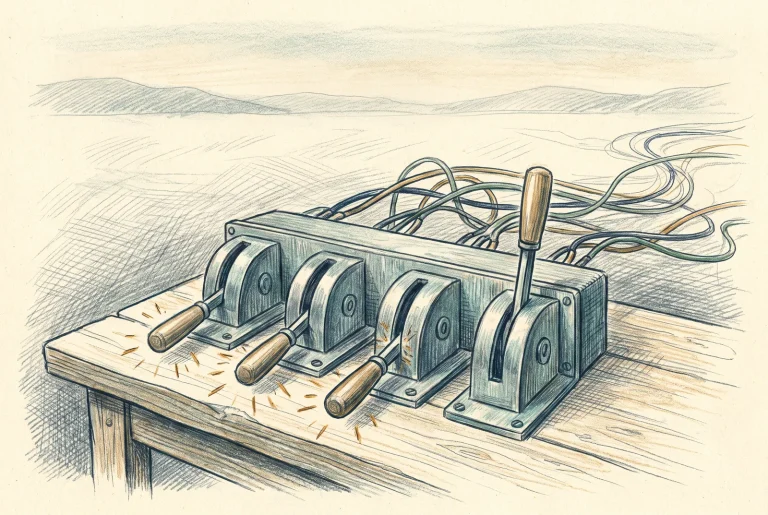
How VME Is Built: Clusters, Storage, and Networks
The architecture of a VME estate is a short sequence of decisions taken in a particular order, and most of them are cheap on the day and expensive a year later. Here is what each one commits you to, and where the platform has an honest gap.
Build Sheet: The VME Cluster End to End
Three hosts, one manager, a clustered datastore on an array LUN and a running virtual machine that survives a host going into maintenance. Every field, every command, the two irreversible steps and the checks that go in front of them.
In progress: the architecture and build cluster ([VME 4] through [VME 5.1]), the ecosystem and migration cluster ([VME 6] through [VME 7.1]), and the closing judgment ([VME 8]).
Morpheus
The console above the hypervisors: Morpheus Enterprise, the same manager that runs VME with a license key that lets it manage everything else, from vCenter to the public clouds. Five articles are structured and drafting next, from what the Enterprise tier actually is to the build sheet that deploys it both ways. This series stands alone; you do not need the VME series to use it.
Hyper-V
The incumbent alternative most estates already own a license to, and a different conversation from the one above: not a new platform asking for trust but an old one asking to be taken seriously again. A dedicated series is planned; until it lands, Hyper-V appears in this section only where the other platforms touch it.