
[D 4.2] The Protection Stack: What Safe Links, Safe Attachments, and Anti-Phishing Actually Do
Three engines do the real catching, and each hides one decision that matters more than the rest. Teams is now inside the same blast radius.

Three engines do the real catching, and each hides one decision that matters more than the rest. Teams is now inside the same blast radius.

The mail policy layer is a precedence order, not a pile of settings, and the first policy to match a user wins outright. Knowing which policy speaks for whom is the whole discipline.

Email is still the way in, but the part you configure has collapsed into a layered platform Microsoft tunes for you. This is where authority over mail and collaboration actually sits, and what is left to own.
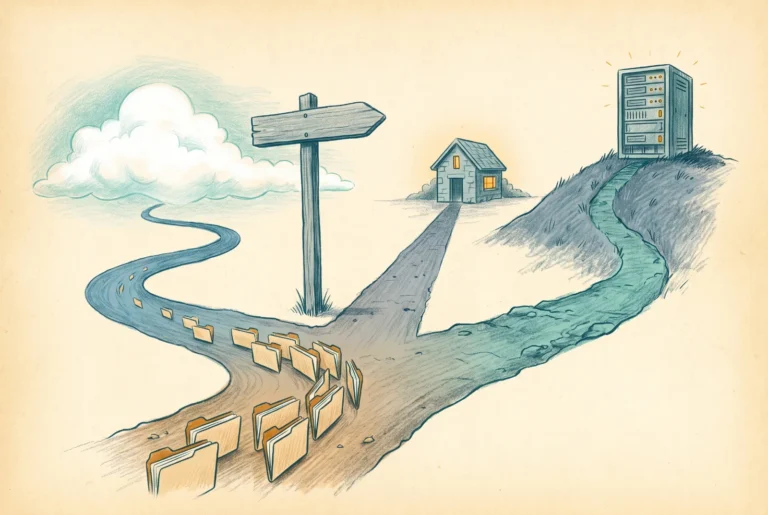
The capstone: which workloads move to Azure Files directly, which sit behind a cache, and which honestly belong somewhere else, with the criteria stated plainly enough to argue with.

Vaulted backup, a snapshot schedule, soft delete verified, three alert rules, and the restore drill that turns the backup policy from hypothesis into fact.

Snapshots are not backup, vaulted backup finally is, three alerts cover ninety percent of incidents, and the geo-failover story deserves to be told without euphemism.

One server, one weekend, no DFS: the small-business migration to Azure Files, and mapping the same drive letters users have had for twenty years, by GPO, by Intune, or by plain net use.
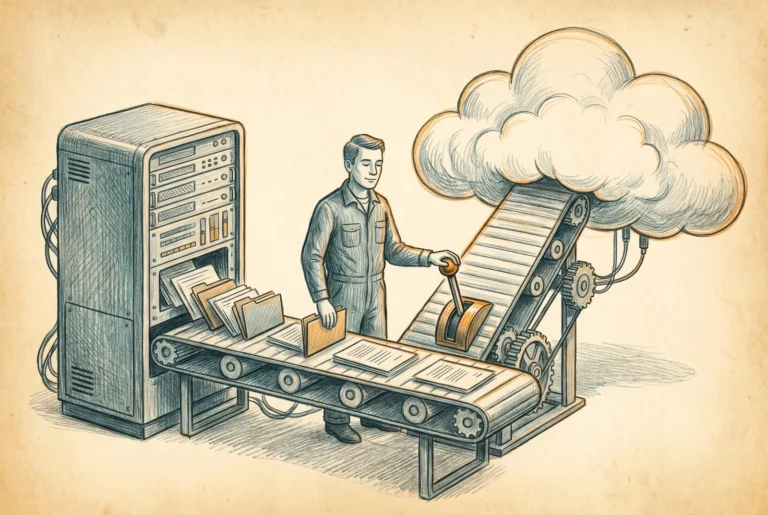
RoboCopy with the right flags, root ACLs set before the bulk copy, incremental passes, a short freeze, and a DFS-N cutover: the enterprise migration executed end to end.